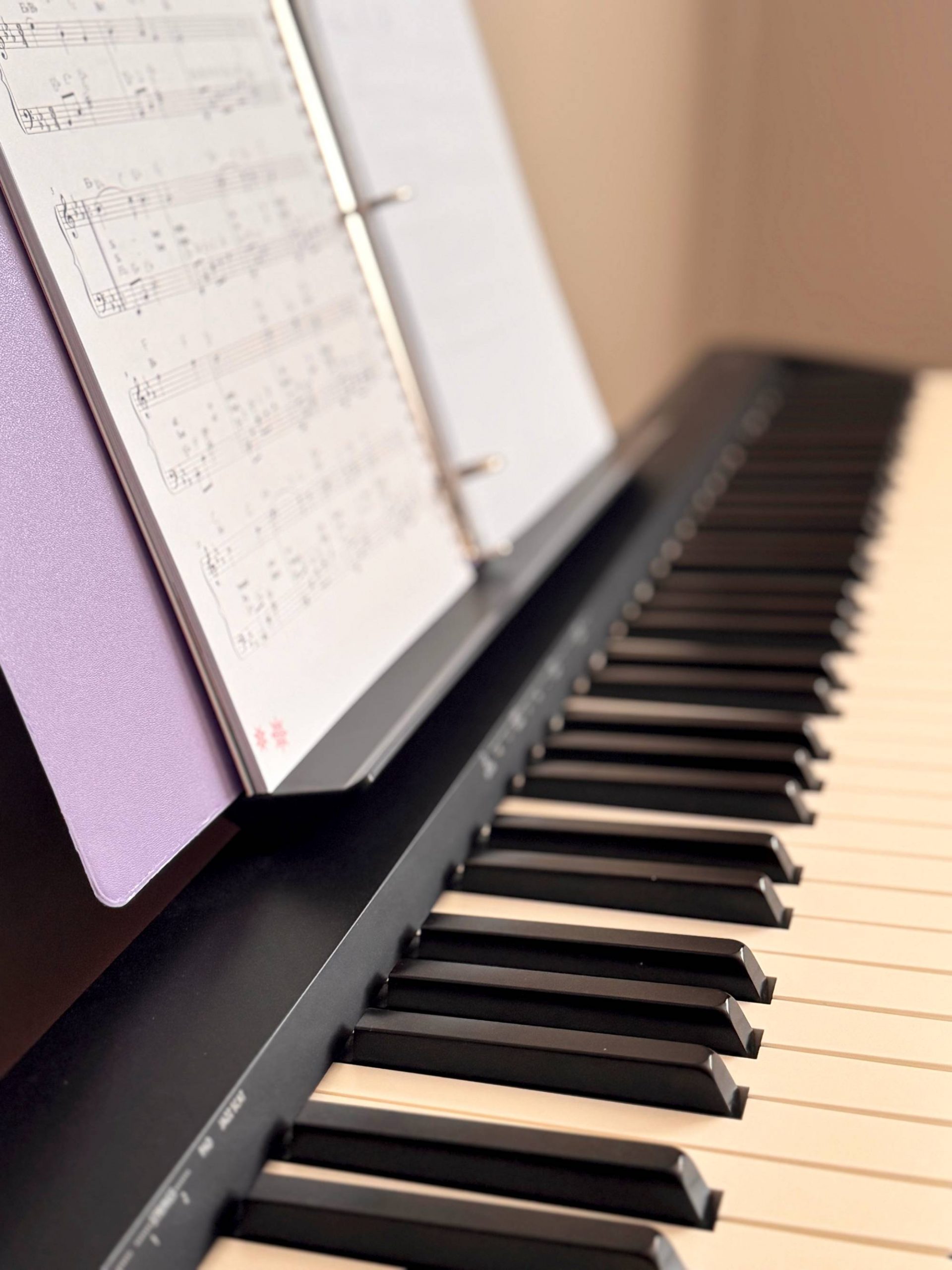
Until recently, I had never played piano using a pedal. I always felt like something was missing in my playing. No matter how carefully I played, it never sounded quite as smooth or connected as I wanted it to be.
Eventually, I bought a sustain pedal for my Roland FP-10 digital piano, and the difference was immediate. Of course, it wasn’t instant mastery. It took time to understand the timing, when to press it, when to release it, and when not to use it at all. But once I started to figure that out, my playing improved in a very noticeable way. It’s a simple tool, and I honestly wish I had learned how to use it much earlier.
This post is a small guide I put together for anyone who’s just starting to use the sustain pedal. These are the basics I found most helpful while learning, and the things I still remind myself of when I practice.
Pedaling adds depth and fullness to piano playing, but it can also make everything sound unclear if it’s overused. Learning how to pedal well is really about balance. The goal is to support the notes you’re playing without smudging them together. With a bit of intention and practice, the pedal becomes a tool that improves clarity rather than taking away from it.
The most important rule
Lift and re-press the pedal every time the chord changes.
A helpful way to think about this is like rinsing a paintbrush before dipping it into a new colour. If you don’t rinse it, the colours mix together. When you do, each colour stays clear.
How to do it
- Play the chord
- Press the pedal
- Move to the next chord
- Lift the pedal briefly
- Press it again right away
The lift is small and quick. You are simply refreshing the sound.
Another helpful way to think about pedaling is to let the pedal catch the sound after you play a chord. You play the notes first, then press the pedal to hold them. When you move to the next chord, you release the pedal, play the new chord, and catch that sound again.
This approach helped me understand the timing much better. Instead of guessing when to use the pedal, it gave me a simple pattern to follow that I could practice slowly and build from. Now it feels like second nature when I play.
When to use more or less pedal
Slower songs
You can use the pedal on most chords, but make sure you refresh it often. This helps keep the sound full without letting chords overlap too much.
Folk or singer-songwriter styles
Use lighter pedaling and rely more on your hands to connect the notes. This keeps the playing clear and lets the chord changes stay defined.
Rhythmic or upbeat songs
Use very little pedal. Too much sustain can blur the rhythm and take away from the groove.
Ambient or cinematic styles
Longer pedal holds and gentle half-pedaling can work well here. Used carefully, this creates space and sustain without losing control of the harmony.
Common mistakes
Holding the pedal too long
Letting the pedal stay down for too long causes chords to overlap and lose definition. If things start to sound unclear, it’s usually a sign the pedal needs to be refreshed more often.
Pressing the pedal before playing the chord
The pedal should usually be pressed after the notes are played. Pressing it too early can carry over sound from the previous chord and muddy the harmony.
Ignoring muddiness instead of adjusting
If something sounds off, don’t play through it and hope it fixes itself. Try lifting the pedal sooner, changing the timing, or using less pedal overall.
In the end, your ears are the best guide. If the sound isn’t clear, the solution is almost always in how you’re using the pedal.
A quick exercise
Choose a simple chord progression and move through it slowly. For each chord, follow this pattern:
- Play the chord
- Press the pedal to catch the sound
- Change to the next chord
- Lift the pedal
- Press again
Practicing this slowly helps build clean pedaling habits and solid muscle memory. Once the timing feels natural, you can gradually increase the tempo.
Final thoughts
Good pedaling isn’t about using more pedal. It’s about refreshing the sound at the right moments so your playing stays full, controlled, and clear.